
If you’re dealing with ongoing joint pain, tendon injuries, or soft tissue damage that hasn’t responded well to traditional treatments, you may have heard about PRP therapy as a natural, regenerative option. At Syn Wellness Center, we regularly work with patients looking for non-surgical solutions that support the body’s own healing process rather than masking symptoms.
PRP therapy has gained attention for its ability to help the body repair itself using components already found in your blood. Below, we explain exactly what PRP therapy is, how it works, and who may be a good candidate—so you can decide if this treatment aligns with your goals for long-term relief and recovery, including for patients in and around Redondo Beach.
What is PRP Therapy?
PRP stands for platelet-rich plasma. Platelets are a natural component of your blood that play a key role in healing and tissue repair. They contain growth factors that help stimulate cell regeneration, reduce inflammation, and support recovery when tissue is damaged.
PRP therapy uses a concentrated form of your own platelets, taken from a small blood draw, to target injured or degenerative areas. Because the treatment comes from your own body, PRP therapy is considered a natural approach to regenerative medicine with minimal risk of rejection or allergic reaction.
How PRP Therapy Works
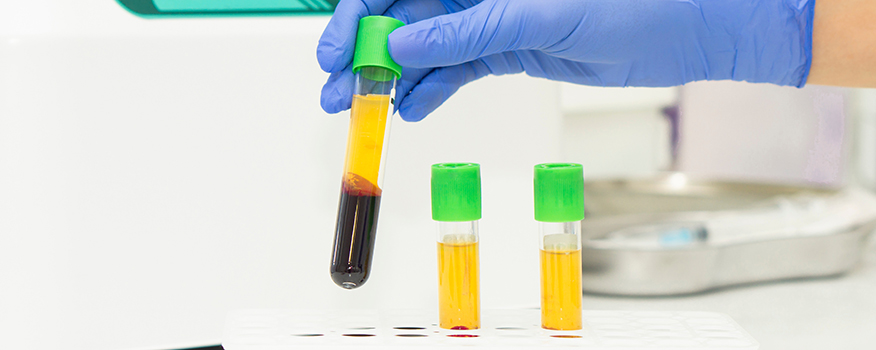
The PRP process begins with a simple blood draw, similar to routine lab work. That blood is placed into a centrifuge, which spins at high speed to separate platelet-rich plasma from other blood components.
Once the PRP is isolated, it is carefully injected into the area being treated, such as a joint, tendon, ligament, or soft tissue structure. The concentrated platelets release growth factors that help:
- Stimulate tissue repair and regeneration
- Reduce inflammation at the injury site
- Improve circulation and cellular activity
- Support long-term healing rather than temporary relief
Unlike steroid injections that may weaken tissue over time, PRP therapy is designed to strengthen and support the healing process from within.
Conditions Commonly Treated With PRP
PRP therapy is often used to address chronic conditions and injuries that involve inflammation, degeneration, or slow healing. At Syn Wellness Center, we frequently see patients from Redondo Beach seeking PRP therapy for issues such as:
- Knee, shoulder, hip, and elbow joint pain
- Tendon injuries such as tennis elbow or Achilles tendonitis
- Ligament sprains and instability
- Chronic joint degeneration and arthritis-related discomfort
- Soft tissue injuries that have not improved with rest or therapy alone
PRP can also be combined with other regenerative or conservative treatments to enhance results, depending on the patient’s needs.
Who is a Good Candidate for PRP Therapy?
PRP therapy is not a one-size-fits-all solution, but it can be highly effective for the right candidates. In general, good candidates are individuals who:
- Have chronic pain or injuries that have not responded to conservative care
- Want to avoid surgery or long recovery times
- Prefer a treatment that uses the body’s natural healing mechanisms
- Are active and want to return to normal movement and function
PRP therapy may be especially beneficial for patients in Redondo Beach who want to stay active without relying on ongoing medications or invasive procedures.
During a consultation, we evaluate your medical history, imaging, and overall health to determine whether PRP therapy is an appropriate option or if another regenerative approach may be more effective.
What to Expect After PRP Treatment
PRP therapy does not provide instant relief like numbing injections. Instead, it works gradually as your body responds to the growth factors over time. Some patients experience mild soreness or stiffness shortly after treatment, which is a normal part of the healing response.
Improvement typically occurs over several weeks as tissue repair progresses. Many patients notice continued improvement for months following treatment, especially when PRP is paired with proper movement, rehabilitation, or supportive therapies.
Because PRP therapy focuses on healing rather than symptom suppression, results tend to be longer-lasting for appropriately selected candidates.
How PRP Fits Into Regenerative Medicine at Syn Wellness Center
PRP therapy is one component of our broader regenerative medicine approach. Our goal is to help patients restore function, reduce pain, and improve quality of life using evidence-based, minimally invasive treatments.
We take the time to determine whether PRP therapy alone or in combination with other regenerative options is the best path forward. You can learn more about our regenerative approach by visiting our regenerative medicine page or exploring our dedicated PRP therapy services.
A Natural Option for Long-Term Relief
PRP therapy offers a powerful alternative for patients who want to address pain and injury at the source rather than relying on temporary fixes. By harnessing your body’s own healing potential, PRP therapy can support meaningful, long-term improvement for the right candidates.
If you’re considering PRP therapy and want to find out whether it’s right for you, contact Syn Wellness Center today to schedule a consultation.